


 0
0
18 Feb 2026
Dynamic Pulsed Light vs. IPL for Acne Scars: Which One Gets You Smoother Skin?
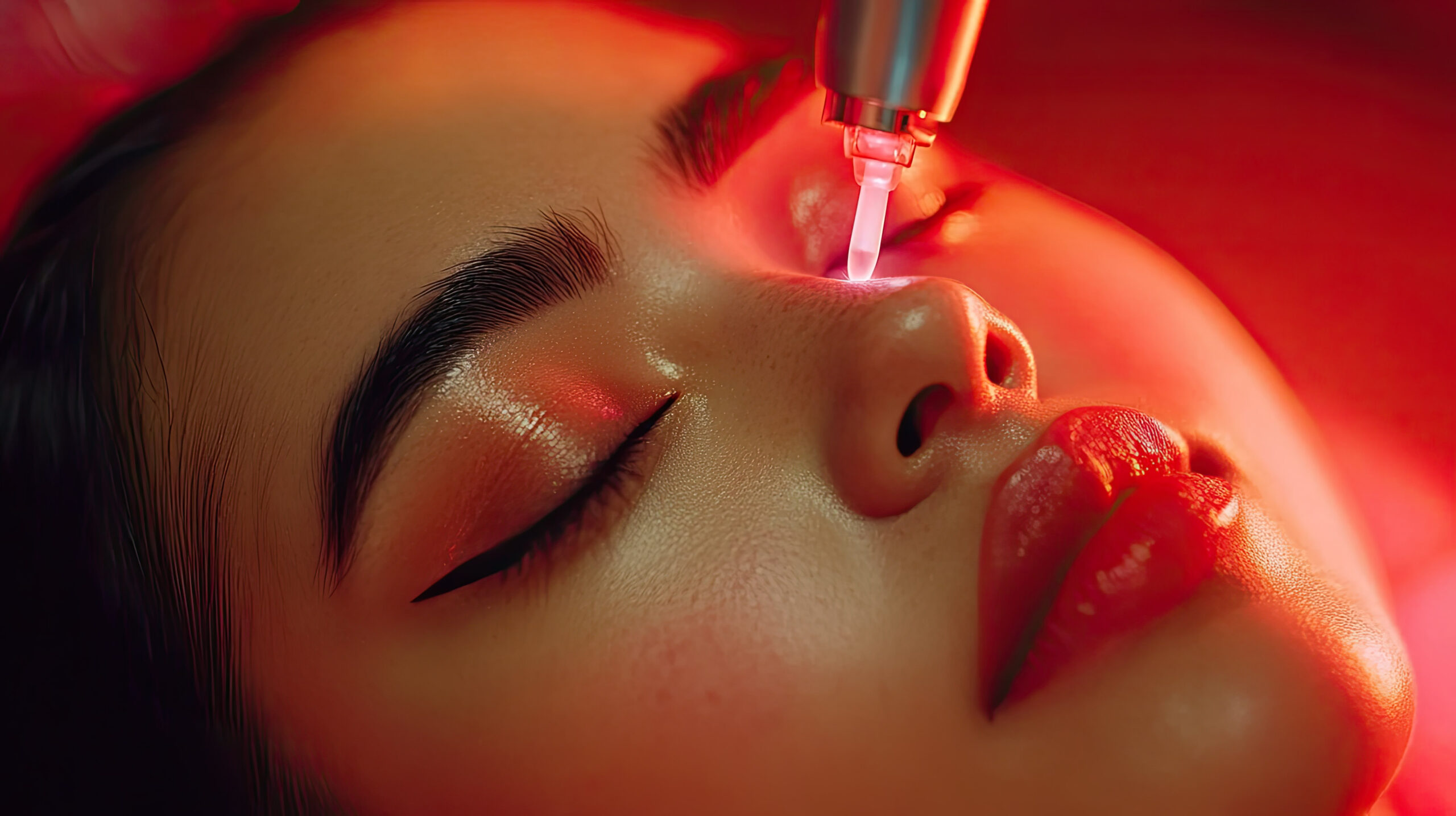
Acne scars and uneven texture are some of the most persistent skin concerns among people in Singapore. Even after breakouts have settled, the marks they leave behind, whether dents, bumps, or discoloration, can make the skin look rough and tired.
Two popular non-invasive treatments often recommended are Dynamic Pulsed Light and Intense Pulsed Light (IPL). Both are widely available in Singapore clinics, and both promise clearer, smoother skin. But the technologies work very differently, and the results you get depend on choosing the right one for your specific type of scarring.
Because of the technical differences, many people find it confusing to decide between the two. Factors like cost, downtime, and suitability can make the choice feel overwhelming.
This guide breaks down Dynamic Pulsed Light and IPL in detail—how they work, what they treat best, and which one gives you the biggest improvement for acne scars.
Deep Dive into Dynamic Pulsed Light Technology (The Photoacoustic Approach)
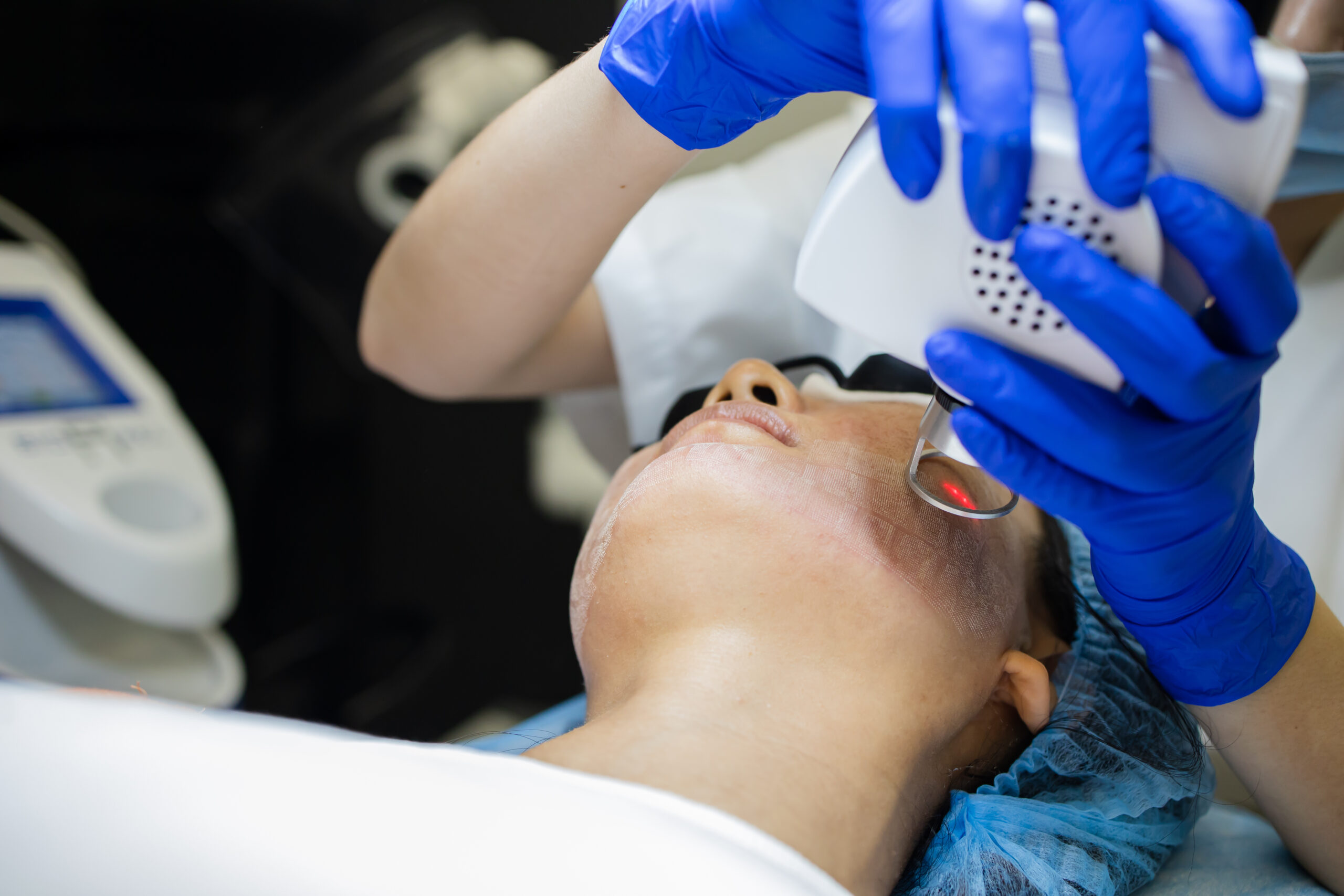
Dynamic Pulsed Light has become one of the most sought-after treatments for acne scars because of its precision and its ability to remodel collagen without relying heavily on heat. It targets deeper layers of the skin with minimal disruption to the surface, making it suitable for a wide range of skin tones, including Asian skin. Here’s how it works and why it’s so effective for textural scars.
Mechanism of Action
Dynamic Pulsed Light delivers energy in extremely fast pulses—measured in trillionths of a second. Instead of relying heavily on heat, it creates a photomechanical (or photoacoustic) effect that disrupts pigment and scar tissue at high speed. This allows targeted treatment with less surface irritation.
Targeting Scar Tissue
One of the standout features of Dynamic Pulsed Light is its ability to create Laser-Induced Optical Breakdowns (LIOBs) beneath the skin. These micro-injuries trigger deep collagen remodelling, helping to break apart old scar fibres and encourage smoother, firmer skin.
Key Strengths for Scars
Because Dynamic Pulsed Light penetrates deeper with precision, it is highly effective for indented scars such as rolling, boxcar, and depressed scars. Its low reliance on heat also reduces the likelihood of Post-Inflammatory Hyperpigmentation (PIH), which is a common concern for Asian skin tones.
Practical Considerations
Downtime for Dynamic Pulsed Light is minimal—usually a few hours of redness. Most patients require three to six sessions, depending on the severity of the scars.
Deep Dive into IPL Technology (The Photothermal Approach)
IPL is another popular option, but it works quite differently from Dynamic Pulsed Light. Instead of targeting deeper tissues, it focuses on the skin’s surface, making it ideal for treating redness, pigmentation, and post-acne marks. While it’s not a primary treatment for depressed scars, it plays a valuable role in improving overall clarity and colour.
Mechanism of Action
IPL uses broad-spectrum light that converts to heat when absorbed by chromophores like melanin and haemoglobin. The result is a photothermal effect that works best on pigmentation, redness, and superficial skin concerns.
Targeting Acne Aftermath
IPL is excellent for reducing redness from post-acne marks, flushing, or tiny visible vessels. It also helps fade superficial pigmented spots caused by inflammation or sun exposure.
Limitations for Texture
Because IPL works primarily on the skin’s surface, it does not reach deep enough to remodel true atrophic scars. While it can brighten the skin and reduce colour irregularities, it won’t significantly improve depressed scars or uneven texture.
Practical Considerations
IPL sessions tend to cost less per treatment, but mild redness or flaking may occur for one to three days. More sessions are often needed—typically four to eight or more—to maintain clarity and evenness.
Head-to-Head Comparison and Final Verdict
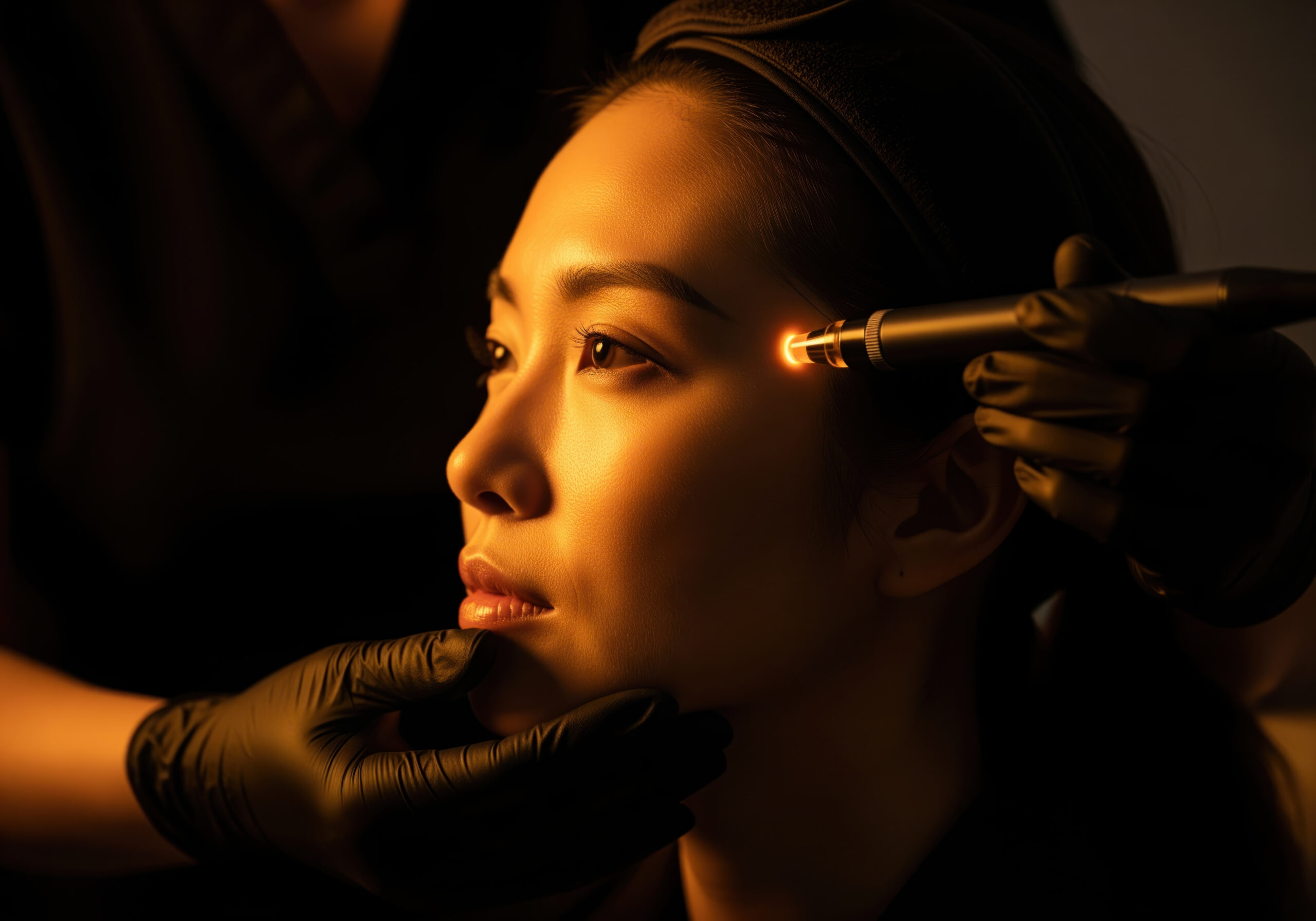
Choosing between Dynamic Pulsed Light and IPL ultimately depends on the root cause of your skin concerns. Both treatments offer meaningful improvements, but they target different layers of the skin and serve different purposes.
Dynamic Pulsed Light vs. IPL: Key Differences at a Glance
|
Category |
Dynamic Pulsed Light |
IPL (Intense Pulsed Light) |
|
Efficacy for Texture |
The superior choice for indented or structural acne scars. Penetrates deeper layers and triggers collagen remodelling for smoother skin. |
Not suitable for depressed scars; works mainly on the surface and does not remodel scar tissue. |
|
Efficacy for Colour & Redness |
Offers some improvement but not the primary choice for redness. |
Excellent for reducing redness, flushing, and post-acne pigmentation. |
|
Downtime |
Mild redness lasting a few hours; recovery is quick. |
May cause mild redness or flaking for 1–3 days. |
|
Comfort Level |
Feels like quick, sharp snapping sensations on the skin. |
Warm, tingling sensation; generally well tolerated. |
|
Cost per Session |
Higher cost per session. |
Lower cost per session. |
|
Total Investment |
Fewer sessions needed for visible improvement in texture. |
More sessions required, especially for redness and pigmentation control. |
Conclusion
Dynamic Pulsed Light is generally the superior option for treating true acne scars and improving overall texture. IPL, on the other hand, is excellent for brightening the skin, reducing redness, and evening out tone. The best choice depends entirely on the type of scarring you have.
A proper assessment is essential, as many people have a mix of both textural scars and colour issues.
Schedule a consultation with Adeline’s aesthetic team today to get a personalised skin assessment and determine whether Dynamic Pulsed Light or IPL is the right treatment for achieving smoother, clearer skin.