


 0
0
16 Feb 2026
The Definitive Singapore Guide to Non-Invasive Skin Tightening: D-Light, IPL, RF, and Beyond

More people in Singapore are turning to preventive aesthetic care, especially when it comes to slowing early signs of skin laxity and wrinkles. Rather than waiting for sagging or deep lines to become obvious, many now choose to address ageing concerns early—ideally without surgery or extended downtime.
Walk into any aesthetic clinic in Singapore, and you’ll encounter a wide range of technologies, from advanced pulsed-light platforms such as D-Light Singapore, to IPL devices, radiofrequency systems, and ultrasound-based treatments. With each option claiming impressive tightening results, it is no surprise that patients often feel overwhelmed.
Despite their differences, all non-invasive tightening treatments share the same biological goal: to stimulate collagen and elastin production within the dermis. These structural proteins are responsible for keeping skin firm, elastic, and lifted. Effective treatments create controlled stimulation beneath the surface, prompting the skin to rebuild itself stronger over time.
This definitive guide breaks down the science, benefits, and ideal use cases of today’s leading non-invasive skin tightening technologies. By the end, you’ll understand which option best suits your concerns—whether laxity, texture, pigmentation, or a combination of all three.
Section 1: The Energy-Based Deep Tighteners (RF and HIFU)
Radio Frequency (RF) Technology
RF treatments deliver controlled electrical energy into the deep dermis, generating uniform heat. This causes immediate collagen contraction while stimulating long-term collagen remodelling. RF is particularly effective for improving skin laxity and subtly enhancing facial contours.
High-Intensity Focused Ultrasound (HIFU)
HIFU penetrates deeper than most non-invasive technologies by targeting the SMAS layer—the same layer addressed in surgical facelifts. This depth allows for visible lifting, especially along the jawline and mid-face.
Primary Goal and Results
RF and HIFU are best suited for true sagging. They improve jawline definition, soften jowls, lift the cheeks, and reduce general skin laxity without surgery.
Downtime and Comfort
RF typically feels like deep warmth, while HIFU can produce sharper heat sensations at deeper layers. Both have minimal downtime, though mild tenderness or swelling may occur briefly after HIFU.
Section 2: The Light-Based Texture and Tone Stimulators (D-Light and IPL)
D-Light
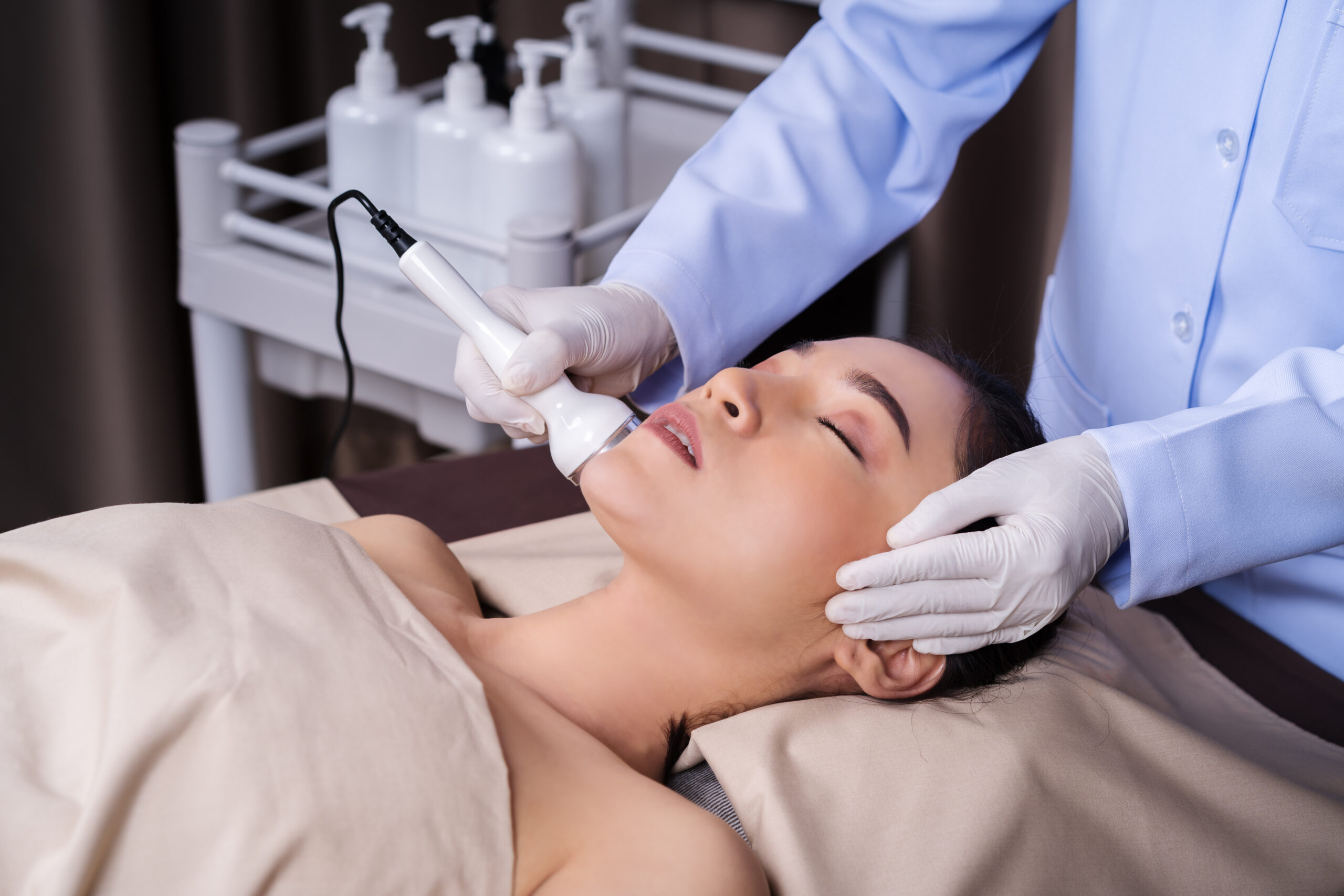
Modern systems such as D-Light in Singapore utilise advanced pulsed-light to stimulate collagen through a photoacoustic effect rather than excessive heat. This creates controlled micro-stimulation within the dermis, improving skin texture, firmness, and overall quality while remaining suitable for Asian skin types.
Intense Pulsed Light (IPL) Devices
IPL uses broad-spectrum light to target pigmentation, broken capillaries, and redness via a photothermal effect. The heat also provides mild collagen stimulation, improving skin clarity and tone.
Primary Goal and Results
While RF and HIFU focus on lifting, light-based treatments such as D-Light and IPL refine pores, smooth texture, reduce pigmentation, and brighten the complexion. They offer mild tightening and are best used as complementary treatments.
Suitability and Safety
Pulsed-light technologies like D-Light are generally safe across most skin tones due to reduced heat reliance. IPL requires careful assessment for darker skin types due to a higher risk of post-inflammatory hyperpigmentation (PIH).
Section 3: The Definitive Comparison Matrix
Target Depth
- D-Light: Epidermis and superficial dermis (texture, pores, pigmentation)
- IPL: Primarily epidermis (pigment and vascular concerns)
- RF: Mid to deep dermis (tightening and contouring)
- HIFU: Deep dermis and SMAS layer (lifting and sculpting)
Downtime and Side Effects
- D-Light: Minimal downtime; mild redness for a few hours
- IPL: Temporary redness or pigment darkening before flaking
- RF: Rare swelling; usually none
- HIFU: Mild swelling or tenderness without visible downtime
Best for Specific Concerns
- D-Light: Pores, acne scars, uneven texture, pigmentation
- IPL: Redness, broken capillaries, sun damage
- RF: Skin laxity, early jowls
- HIFU: Moderate laxity, jawline and cheek lifting
Total Cost and Treatment Timeline
- D-Light: $250–$600 per session; 3–6 sessions
- IPL: $150–$450 per session; 3–5 sessions
- RF: $300–$900 per session; 4–6 sessions
- HIFU: $900–$2,500 per session; 1–2 sessions yearly
Section 4: Optimising Your Skin Tightening Protocol in Singapore
The Consultation Imperative
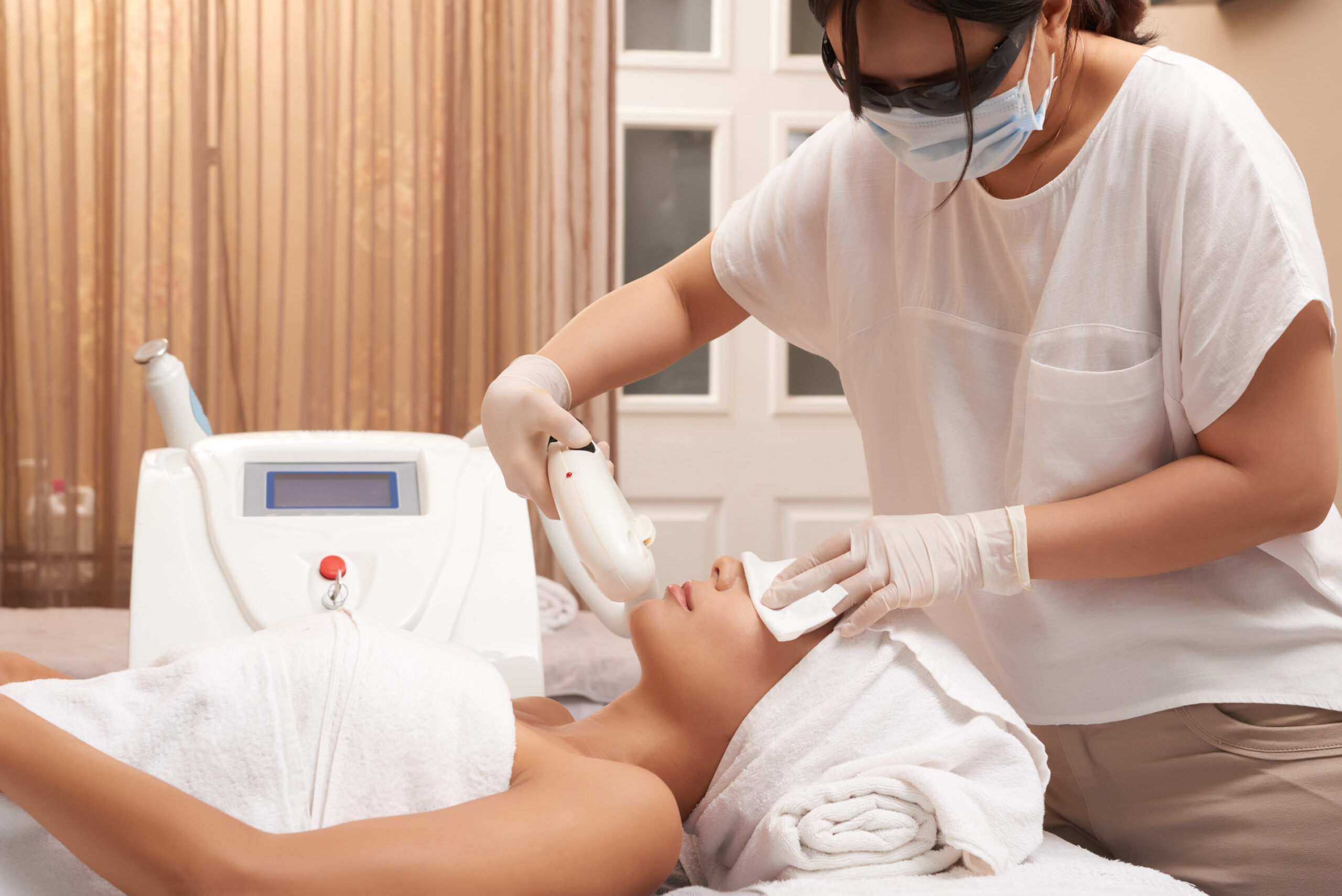
A proper consultation determines whether your concern is structural laxity or surface ageing. This ensures the right technology, HIFU or RF for lifting, D Light or IPL for tone and texture.
Combination Therapy
Many clinics layer treatments, such as using D-Light to refine texture while RF or HIFU addresses deeper tightening. This approach often delivers more comprehensive rejuvenation.
Maintenance Strategies
Collagen declines naturally with age, and Singapore’s UV exposure accelerates ageing. Regular maintenance sessions and strict sun protection are essential for long-term results.
Final Thoughts
Effective skin tightening begins with understanding how each technology works. RF and HIFU provide deep structural lifting, while D-Light Singapore and IPL refine tone, clarity, and texture. Matching the right approach to your skin needs is key to achieving natural, youthful results.
The future of anti-ageing is non-invasive, precise, and highly customisable. With professional guidance, you can build a personalised treatment plan that enhances your skin without surgery or downtime.
Ready to begin your personalised anti-ageing journey? Book your comprehensive skin analysis at Adeline today.